Transform How You See and Capture Light
Move beyond technical competence to create images with intentional visual impact. Develop your unique photographic voice through mastery of light and composition.
Back to HomeWhat This Course Brings to Your Photography
This course addresses the gap between technical capability and creative vision. You already understand your camera's controls, but now you'll discover how to use light and composition as storytelling tools that give your images emotional resonance and visual power.
Through eight weeks of focused exploration, you'll develop a deeper relationship with light—learning to recognize its quality, direction, and character in any situation. You'll understand how to work with natural light at different times of day and begin exploring artificial lighting to shape the mood you want to create.
Composition becomes more than following rules like the rule of thirds. You'll learn to make intentional decisions about framing, perspective, and visual flow that guide viewer attention exactly where you want it. These choices become instinctive through practice and thoughtful feedback.
The transformation goes beyond individual techniques. You'll develop a way of seeing that happens before you raise your camera—recognizing moments, anticipating light changes, and understanding which compositional approach serves your creative intent. This shift marks the difference between taking photographs and making them.
The Creative Plateau Many Photographers Experience
You've moved past the beginner stage. Your images are properly exposed and reasonably sharp, yet something feels missing. They document what you saw but don't quite capture how it felt or why it mattered. The emotional impact you experienced doesn't translate to the final image.
You notice compelling light in certain moments—golden hour warmth, dramatic window light, the soft glow after rain—but struggle to incorporate these observations into your photography. The light you respond to emotionally remains separate from the technical process of making images.
Composition decisions feel arbitrary. You try different framing options, but lack a clear sense of why one works better than another. Sometimes an image succeeds, but you're uncertain what made it effective or how to replicate that success intentionally.
The frustration comes from knowing your work has potential while being unable to consistently access it. You want to develop a distinctive visual approach rather than simply documenting subjects competently. The path from technical proficiency to creative expression feels unclear.
Developing Your Visual Intelligence
Our approach emphasizes seeing before shooting. Rather than focusing primarily on camera settings, we develop your ability to evaluate light quality, recognize compositional potential, and make decisions that support your creative intention. The technical execution follows naturally from clear visual understanding.
Light study forms a central thread through the course. You'll learn to observe how light interacts with surfaces, creates dimension and mood, and changes throughout the day. We explore both natural light manipulation—using reflectors, positioning subjects thoughtfully, choosing optimal shooting times—and introduce artificial lighting concepts that expand your creative options.
Composition work moves beyond formulaic rules to understanding visual principles. You'll study how leading lines actually guide attention, how negative space creates emphasis, how perspective alters emotional impact. Through weekly themed challenges, you'll practice applying these concepts until they become intuitive rather than calculated.
Visual storytelling connects all elements together. You'll learn to identify what you're really trying to communicate in an image and choose light, composition, and perspective that reinforce that message. This intentionality transforms photography from documentation into meaningful visual communication.
Light Mastery Path
- Reading and evaluating natural light
- Working with golden hour and blue hour
- Shaping light with simple tools
- Introduction to off-camera flash
Composition Development
- Advanced framing and perspective choices
- Visual weight and balance strategies
- Color relationships and harmony
- Creating narrative through visual sequence
Your Eight-Week Creative Journey
Each session balances conceptual understanding with practical application. We begin by examining specific aspects of light or composition, discussing how photographers you admire use these elements, then immediately move to hands-on practice where you apply these concepts to your own work.
The small group format creates space for substantive critique sessions. You'll share work from weekly themed challenges, receive detailed feedback, and learn from observing how others approached the same assignment. These discussions often reveal multiple valid solutions to compositional challenges, expanding your creative thinking.
Between sessions, themed challenges give you focused exploration opportunities. One week you might work exclusively with backlighting, another with minimalist compositions, another with environmental portraits. These constraints encourage creative problem-solving and help you discover approaches you might not have explored otherwise.
The course builds progressively but non-linearly. Early light concepts connect with later composition work. Advanced composition techniques inform how you approach lighting decisions. This integration helps you develop a holistic visual approach rather than treating techniques as separate skills.
By the final weeks, most participants notice they've internalized the course concepts. You'll find yourself automatically evaluating light quality when entering new spaces, instinctively considering multiple compositional approaches before raising your camera, and making thoughtful decisions about what to include or exclude from your frame.
Course Details and Investment
This investment supports your development from technically competent photographer to someone creating work with distinctive visual character. The skills you build here form the foundation for any photographic direction you choose to pursue, whether personal projects, professional work, or simply more meaningful documentation of your life.
The value extends well beyond the eight weeks. Once you understand how to read and shape light, how to make intentional compositional decisions, these capabilities serve you for years. You're developing visual intelligence that deepens with continued practice and application.
What's Included
- Eight weekly 3-hour intensive sessions
- Themed weekly challenges with purpose
- Detailed critique of your work
- Access to lighting equipment during class
- Curated visual reference materials
- Small group size (5-7 participants)
- Portfolio development guidance
- Ongoing instructor support via email
Flexible Payment Arrangements
We understand that investing in your creative development is meaningful. Payment plans are available to distribute the course cost across several months, making it more manageable while you focus on learning.
How Development Unfolds
Our teaching philosophy emphasizes understanding visual principles rather than memorizing techniques. This approach consistently helps intermediate photographers break through creative plateaus and develop work that reflects their unique perspective and vision.
Progress manifests in subtle but significant ways. Early in the course, participants often describe actively thinking through compositional decisions. By mid-course, many report these choices becoming more intuitive. The shift from conscious technique application to instinctive visual decision-making marks real growth.
The themed challenges reveal development clearly. Initial assignments might show competent execution of specific techniques. Later work demonstrates integration—participants combining light awareness, compositional understanding, and personal vision into cohesive images that communicate effectively.
Most participants experience several moments during the course when concepts suddenly click into place. A discussion about visual weight might suddenly illuminate why certain compositions felt unbalanced. Experimenting with backlighting might reveal how dramatically light direction affects mood. These insights accumulate into deeper visual understanding.
Weeks 1-3
Developing light reading skills and exploring advanced compositional concepts
Weeks 4-6
Integrating techniques and developing personal visual approach through practice
Weeks 7-8
Refining visual voice and creating cohesive portfolio work that tells stories
Setting Realistic Expectations
Eight weeks provides substantial growth, but developing a mature photographic voice takes ongoing practice and exploration. You'll leave the course with significantly enhanced visual understanding and practical skills, along with direction for continued development.
The course gives you tools for self-directed learning. Understanding principles means you can continue experimenting and growing long after formal instruction ends, building on this foundation throughout your photographic journey.
Our Approach to Your Success
We understand that enrolling in an advanced course represents commitment to your creative growth. Our teaching creates space for experimentation and exploration, recognizing that creative development rarely follows a linear path.
If after attending the first session you feel the course doesn't match your current needs or learning preferences, we'll provide a complete refund. This allows you to experience our teaching approach and group dynamic before making a full commitment.
Throughout the course, we remain responsive to where participants are in their development. If certain concepts need additional time or alternative explanations, we adjust our pacing. The small group size makes this flexibility possible without compromising course content.
We encourage questions between sessions and provide thoughtful feedback on work you create outside class time. Your development matters to us beyond the eight-week timeframe, and many past participants maintain contact as they continue growing photographically.
Prerequisites Conversation
This course assumes comfort with manual camera operation and basic photographic concepts. Before enrolling, we'll discuss your current skill level to ensure the course matches where you are in your photographic journey.
If your experience level suggests our Photography Fundamentals course might be more appropriate, we'll have that honest conversation with you.
Learning Environment
We cultivate an atmosphere where creative risks are encouraged and visual exploration is valued over perfection. Critique sessions focus on understanding what you were attempting and how to strengthen that vision.
Everyone participates in giving and receiving feedback, which develops critical thinking about visual work alongside practical skills.
Beginning Your Creative Development
Starting the course begins with reaching out through the contact form or via email. Share some context about your photography background, what you've been working on recently, and what creative challenges or goals bring you to this course.
We'll arrange a conversation to discuss your experience level, creative interests, and whether Light and Composition Mastery aligns with your current needs. This discussion helps ensure you're investing your time and resources in the course that best serves your development stage.
Once you've decided to enroll, we'll provide course details including the schedule, what to bring to first session, and how to prepare. We'll also share examples of themed challenge formats so you understand what weekly assignments involve.
What You Should Have
Required Background
- Comfort with manual camera operation
- Understanding of exposure triangle basics
- Willingness to explore creative approaches
- Time for weekly themed challenges
Helpful but Optional
- Portfolio of recent work to discuss
- Basic reflector or lighting modifiers
- Experience with different genres
- Openness to peer feedback
Ready to Elevate Your Visual Storytelling?
Connect with us to explore how Light and Composition Mastery can support your creative evolution. We'll discuss your current work and photographic aspirations to determine if this course fits your development path.
Begin the ConversationYou can also reach us directly:
Email: info@loomhillstudio.com
Phone: +81 52-773-3770
4-8-15 Minami-Horie, Nishi-ku, Osaka 550-0015, Japan
Explore Other Learning Paths
Each course addresses specific development needs at different stages of your photographic journey.
Photography Fundamentals
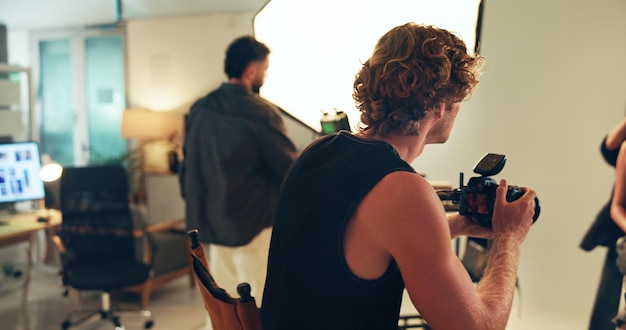
Master camera operation and core photographic principles. Learn exposure triangle concepts and composition basics through practical assignments.
Learn More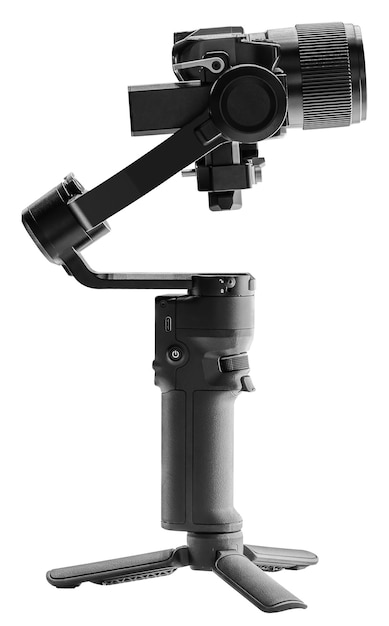
Digital Workflow & Post-Processing
Complete your journey from capture to final image. Build efficient workflows using Lightroom and Photoshop with aesthetic judgment.
Learn More